cognitive office
The project addresses the hidden cognitive burden of contemporary offices, where users are constantly required to make micro-decisions about their environment.
By structuring the workplace around four core mental states—deep focus, shared focus, active collaboration, and social interaction—it creates a fluid system where boundaries are not fixed but gradually overlap.
Spatial cues replace explicit instructions, guiding behaviour intuitively and allowing users to move seamlessly between different modes of work.
This approach transforms the office into a living system that adapts to both individual needs and collective rhythms throughout the day.
The project proposes an office that removes the need for conscious decision-making. Through spatial cues, the environment intuitively communicates how to behave, how long to stay, and what mental state is expected.
A cognitive office is structured around human mental processes rather than functions or departments. It organizes space according to attention, duration, interaction, and cognitive load.
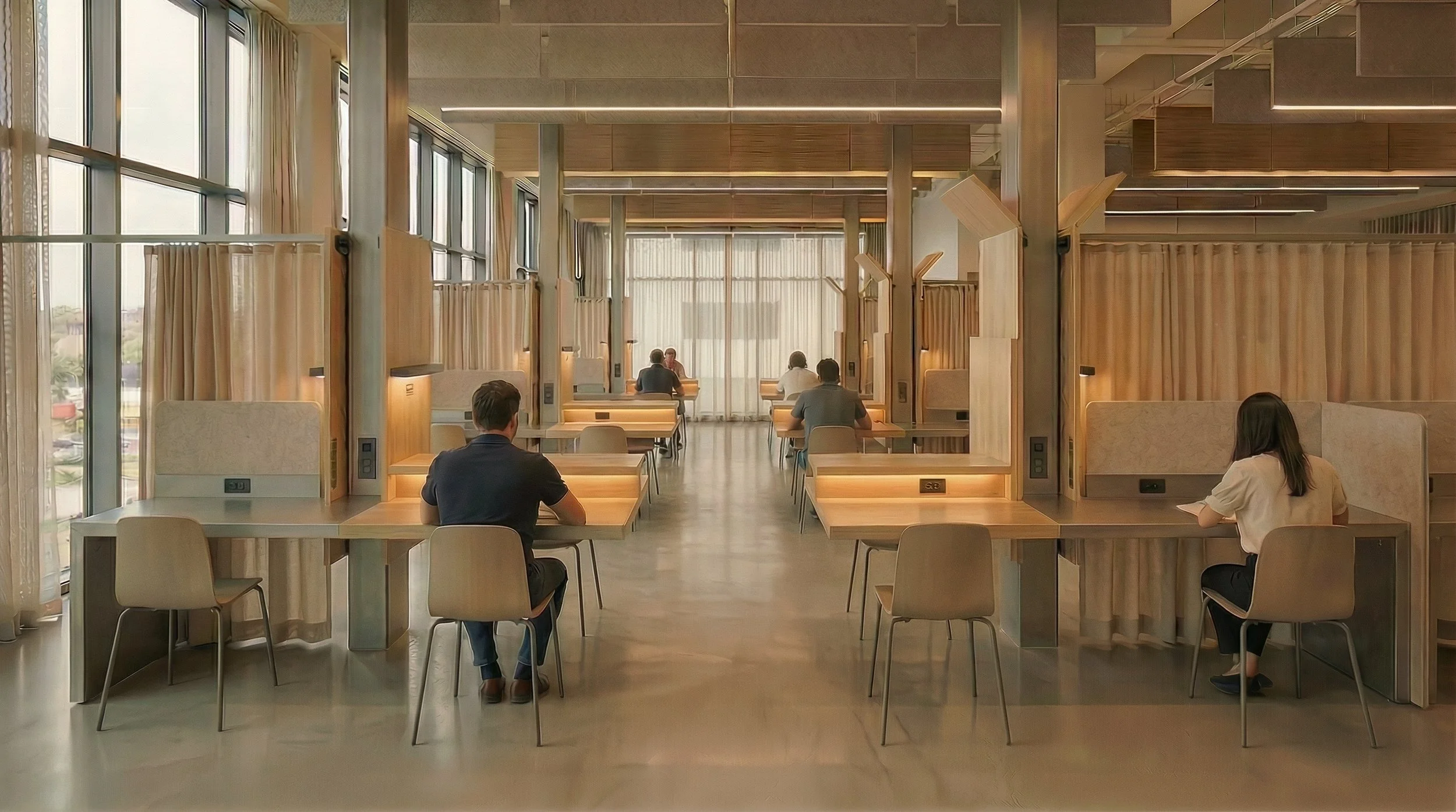
DEEP FOCUS ZONE Designed for sustained concentration, this zone minimizes distractions through controlled lighting, acoustics, and spatial enclosure. It signals long-duration, uninterrupted work.
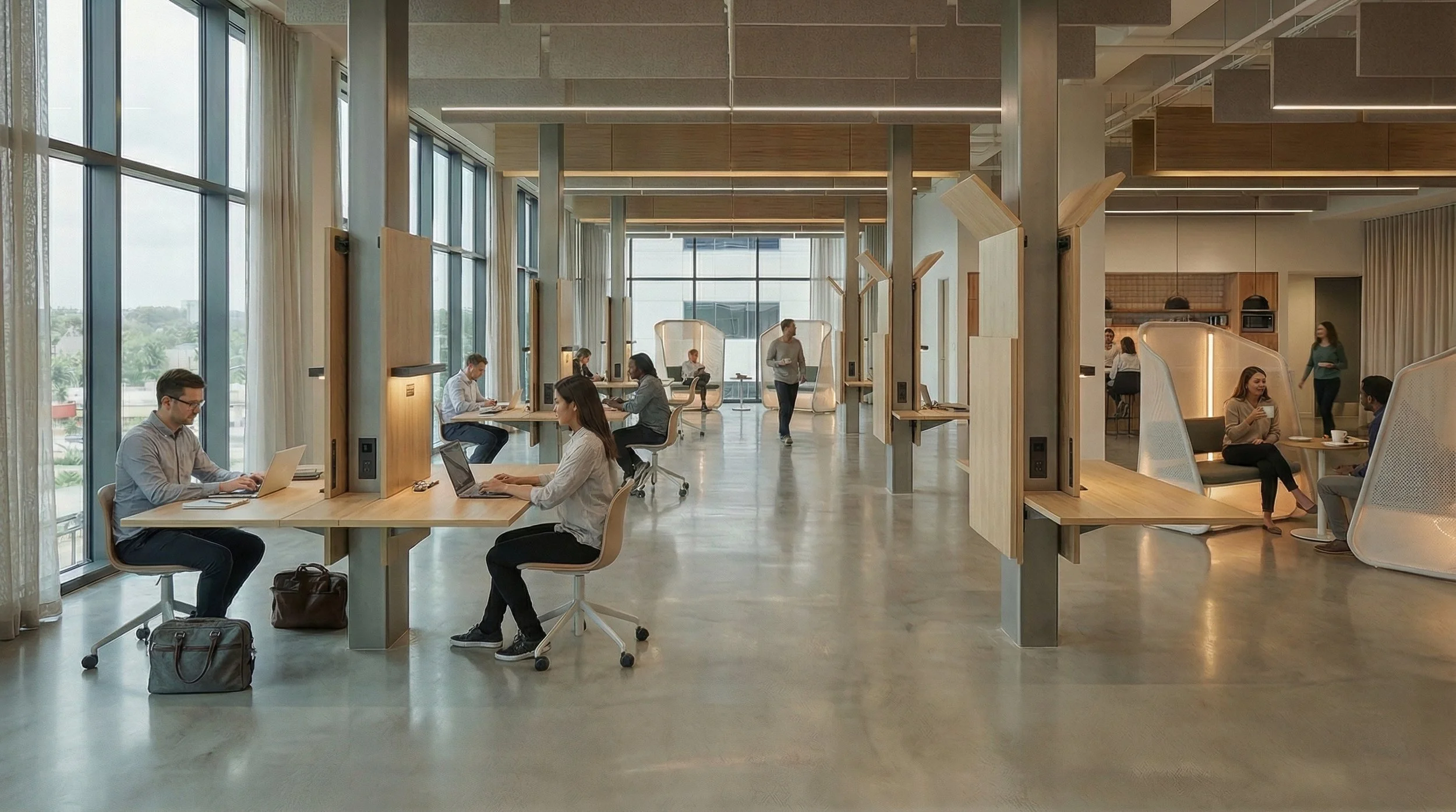
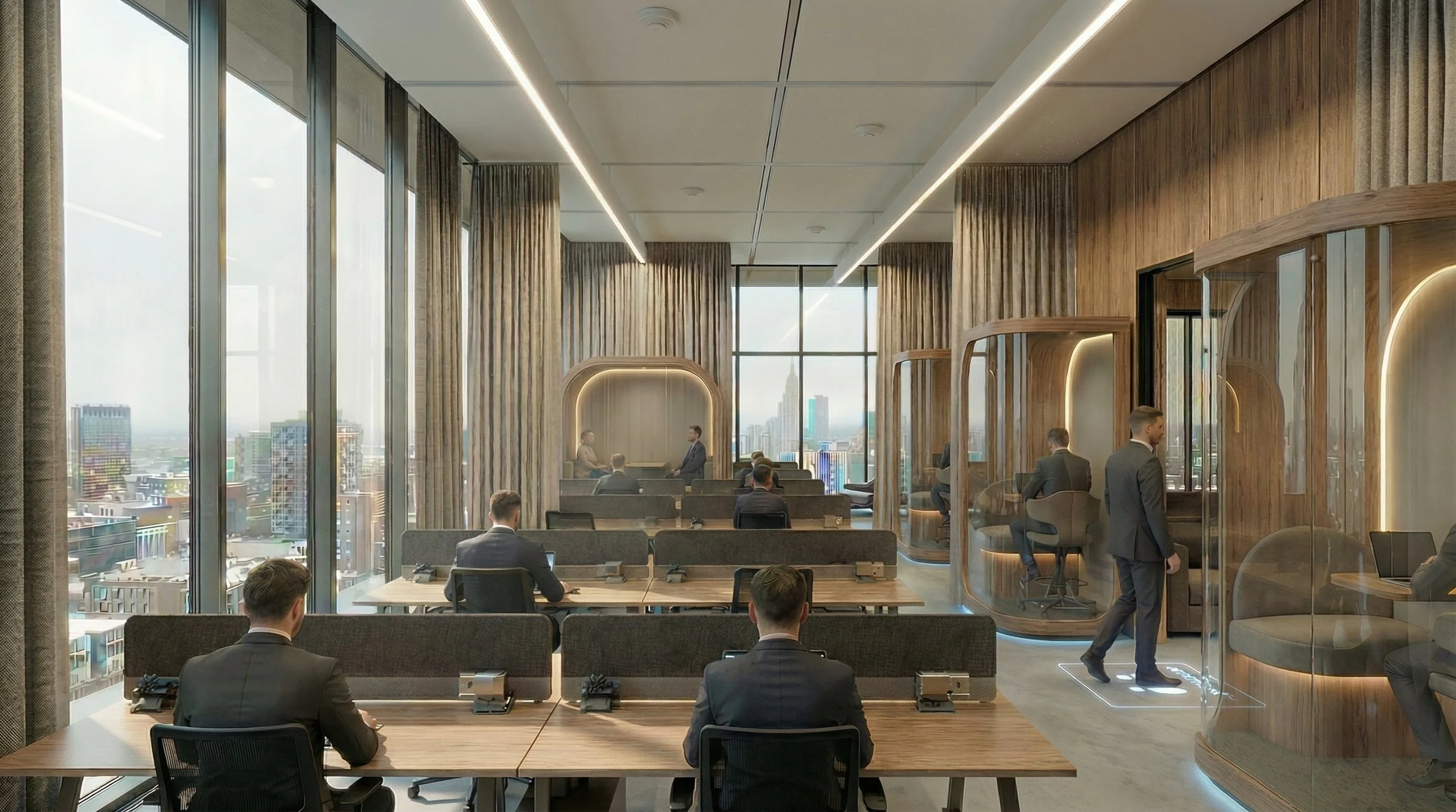
SHARED FOCUS ZONE This zone allows individuals to work independently while being in the presence of others. It balances focus and social awareness without demanding interaction.
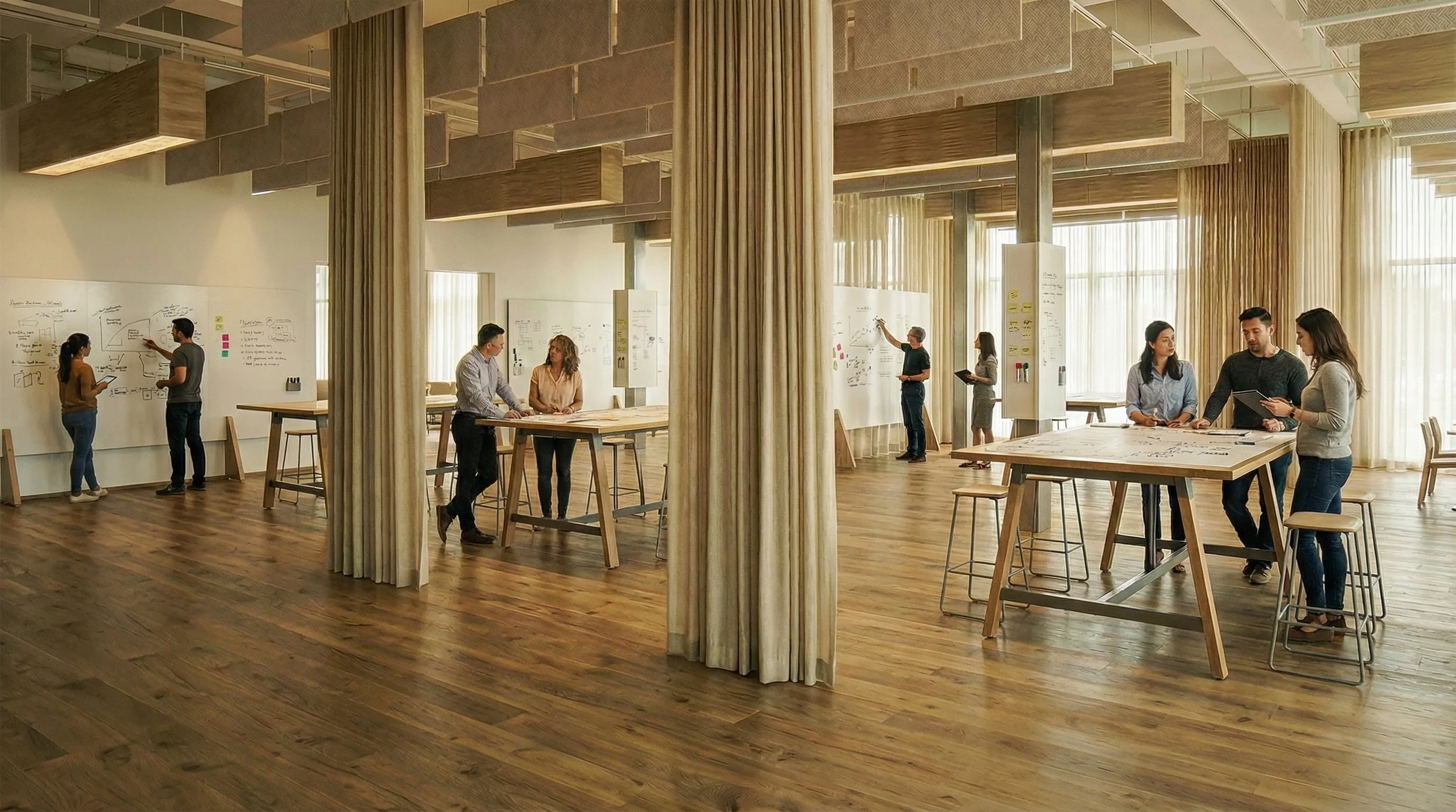
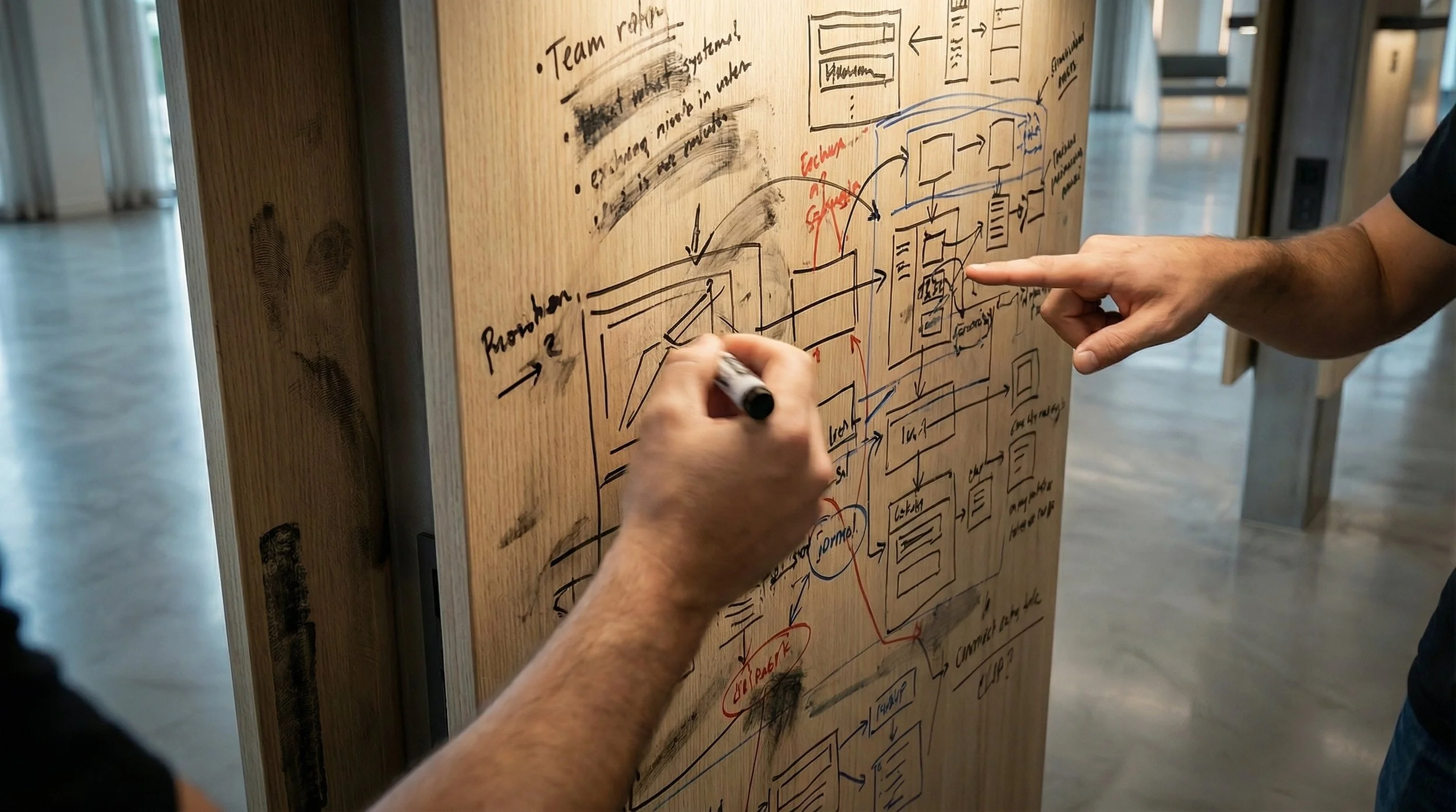
ACTIVE COLLABORATION ZONE A high-energy environment designed for short, intense interactions. Spatial conditions actively discourage prolonged use and maintain dynamic engagement.
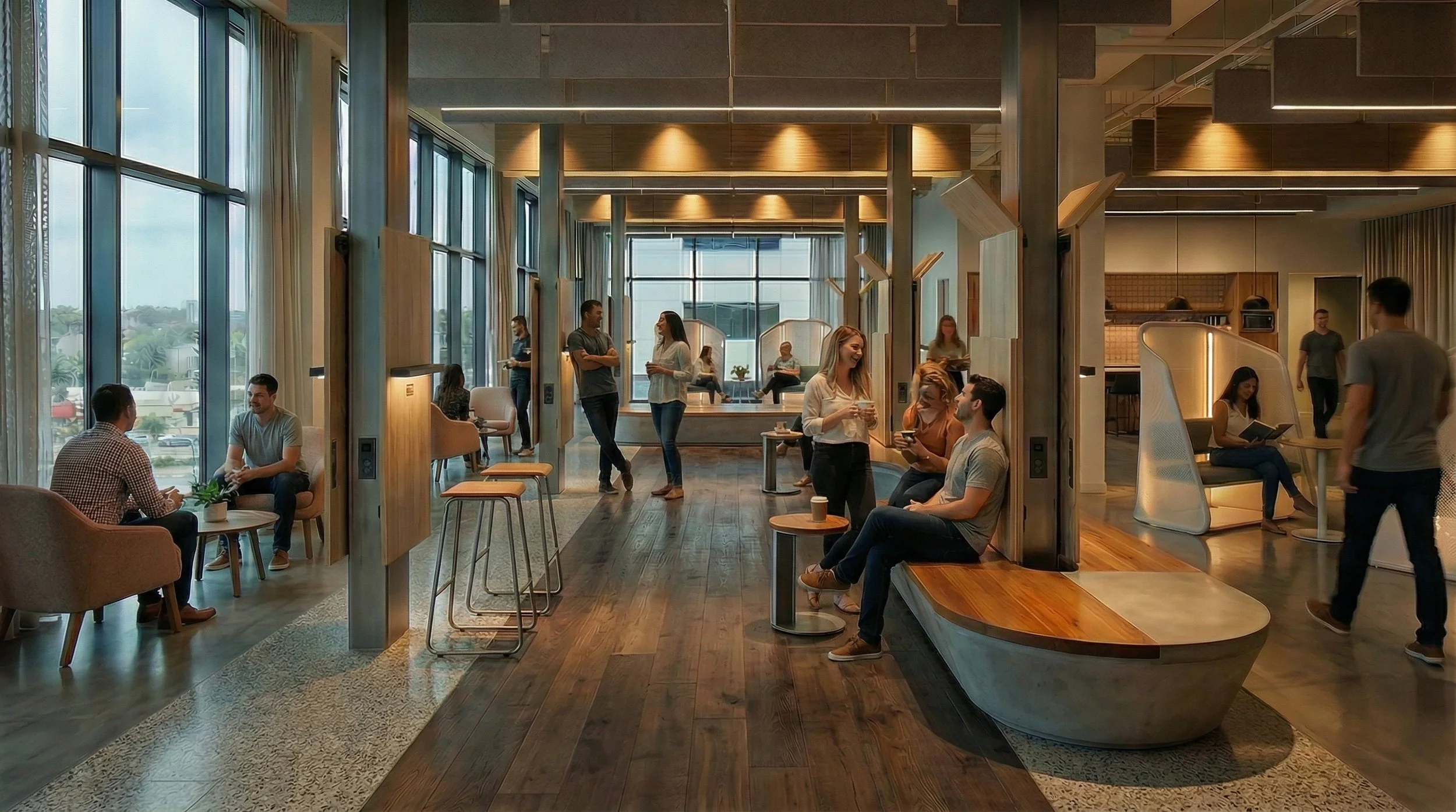
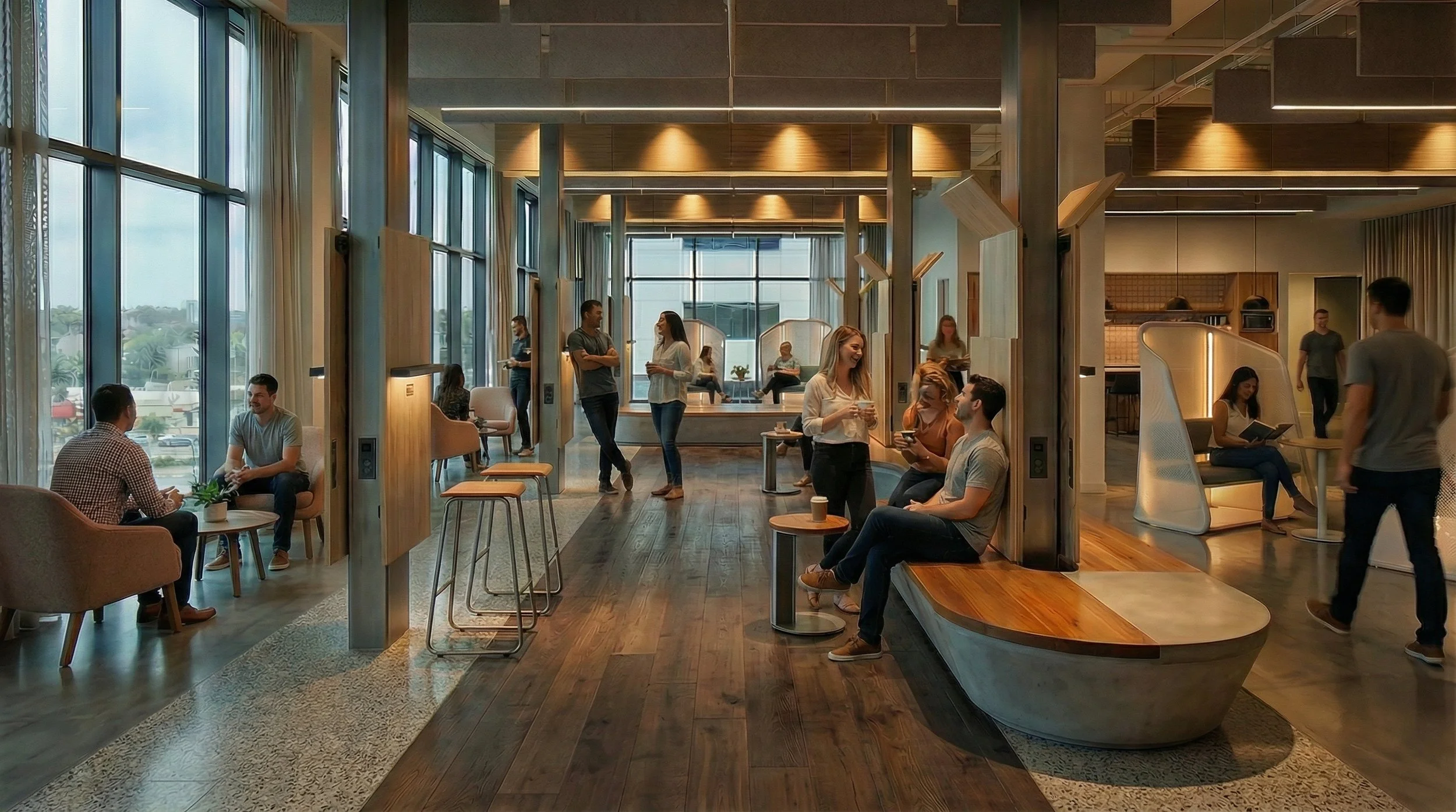
SOCIAL ANCHOR ZONE A space for brief social interactions that structure the rhythm of the day. It supports connection while preventing work from extending into social moments.
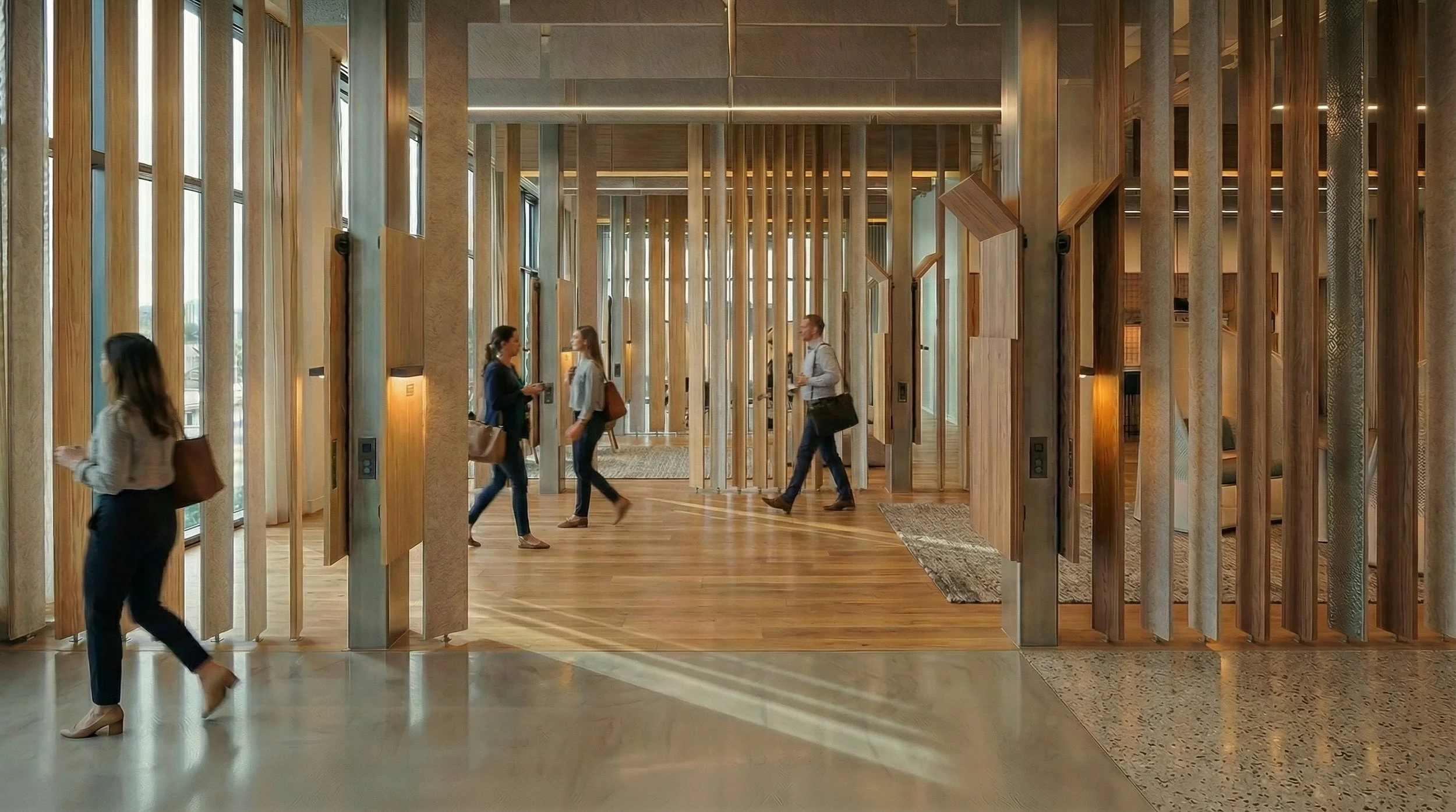
Subtle systems such as lighting, furniture, acoustics, and power availability allow the space to evolve throughout the day. These changes remain intuitive and non-intrusive.
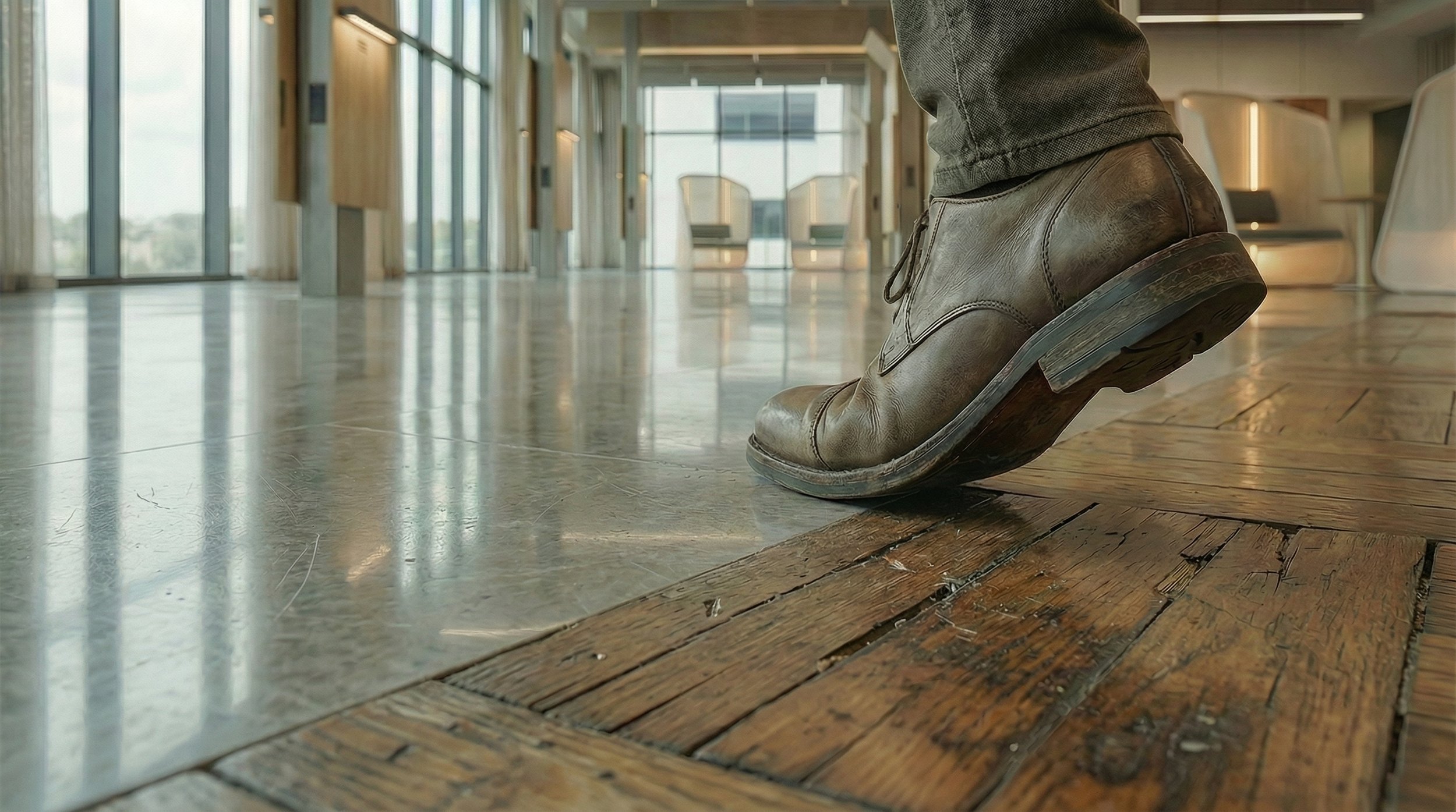
Thresholds act as transitional zones that prepare users for shifts between different mental states. They enable gradual change rather than abrupt spatial or cognitive transitions.
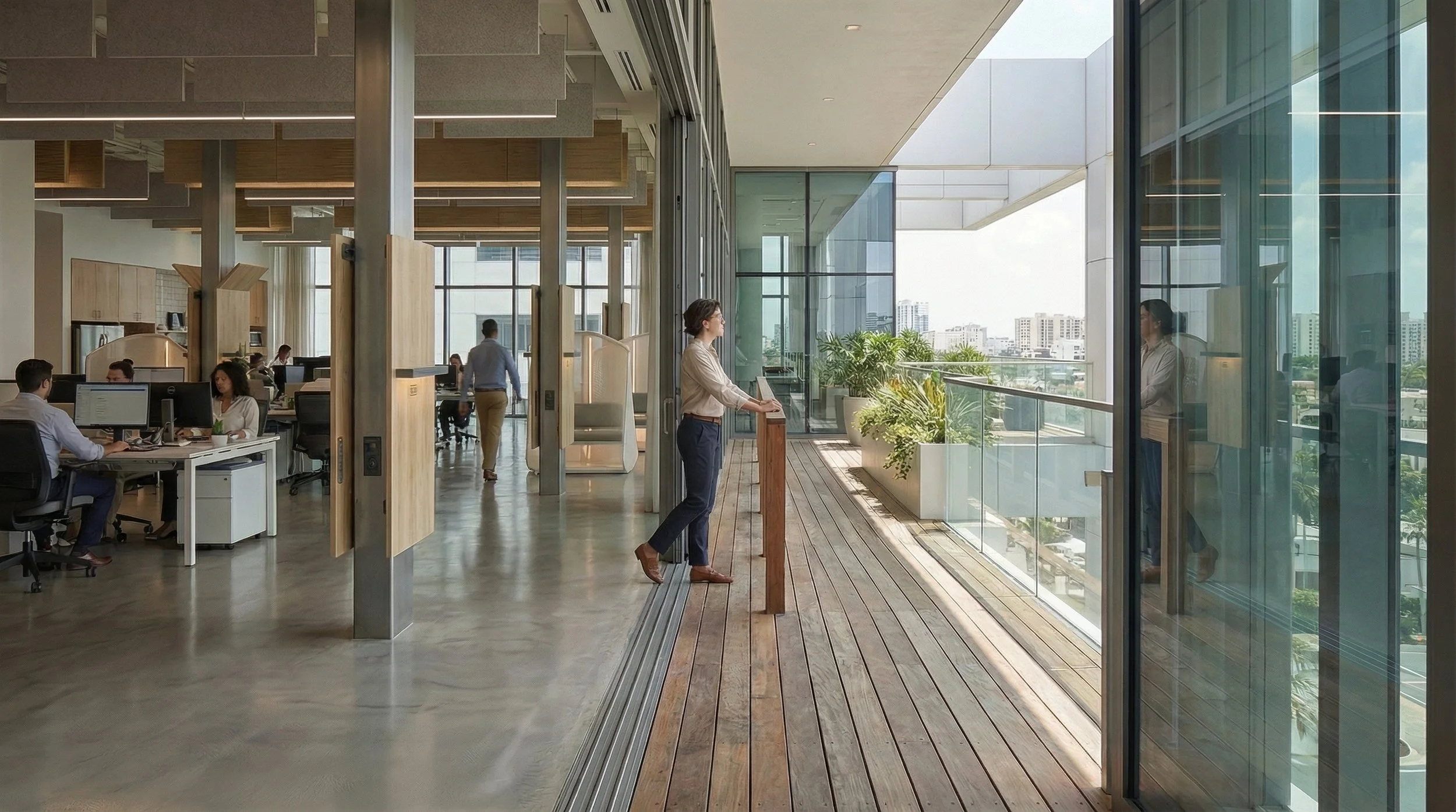
The design ensures that users can easily withdraw from overstimulating environments. This freedom reduces stress and supports overall productivity.
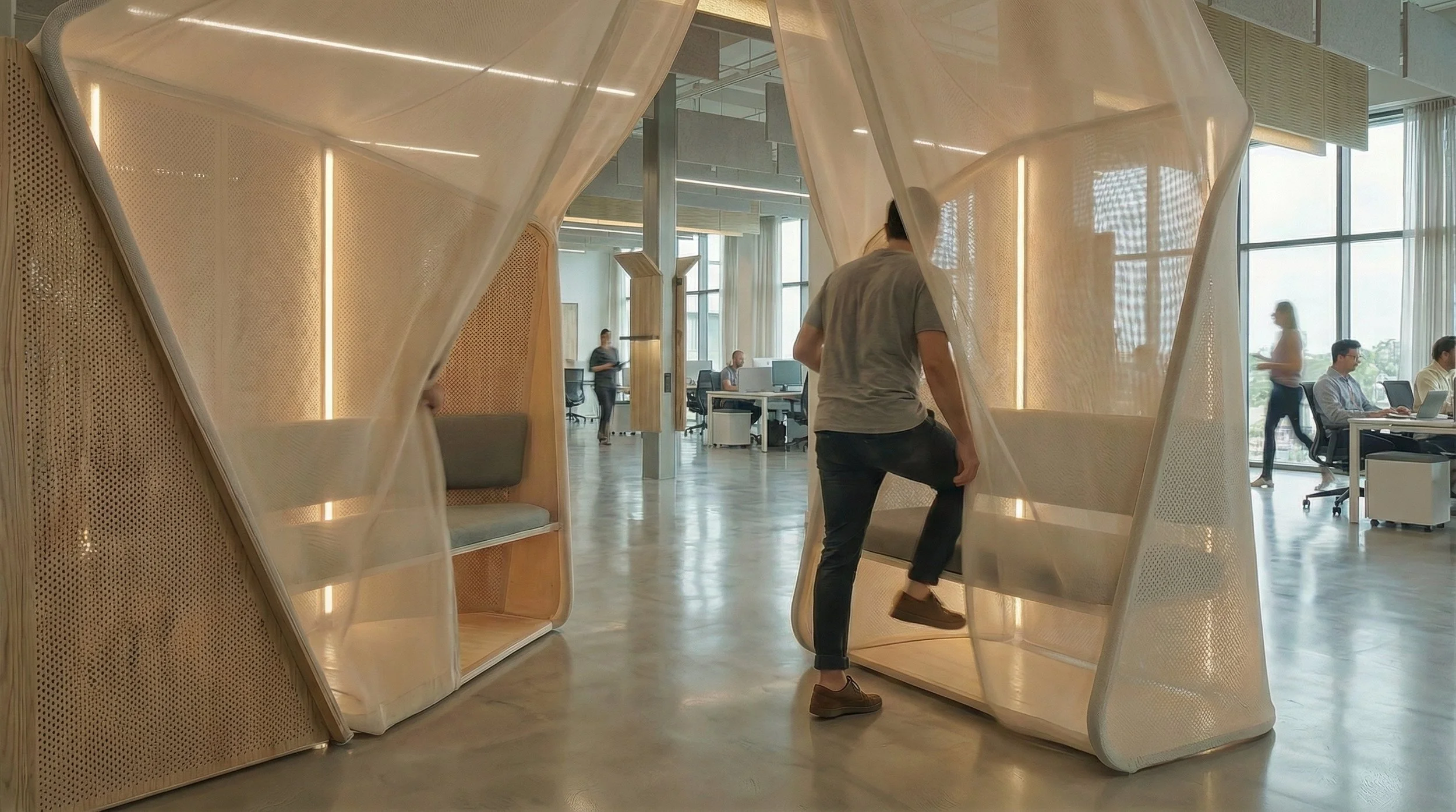
Behaviour is guided without signage through spatial design elements such as height, posture, and access. The space communicates expectations silently.