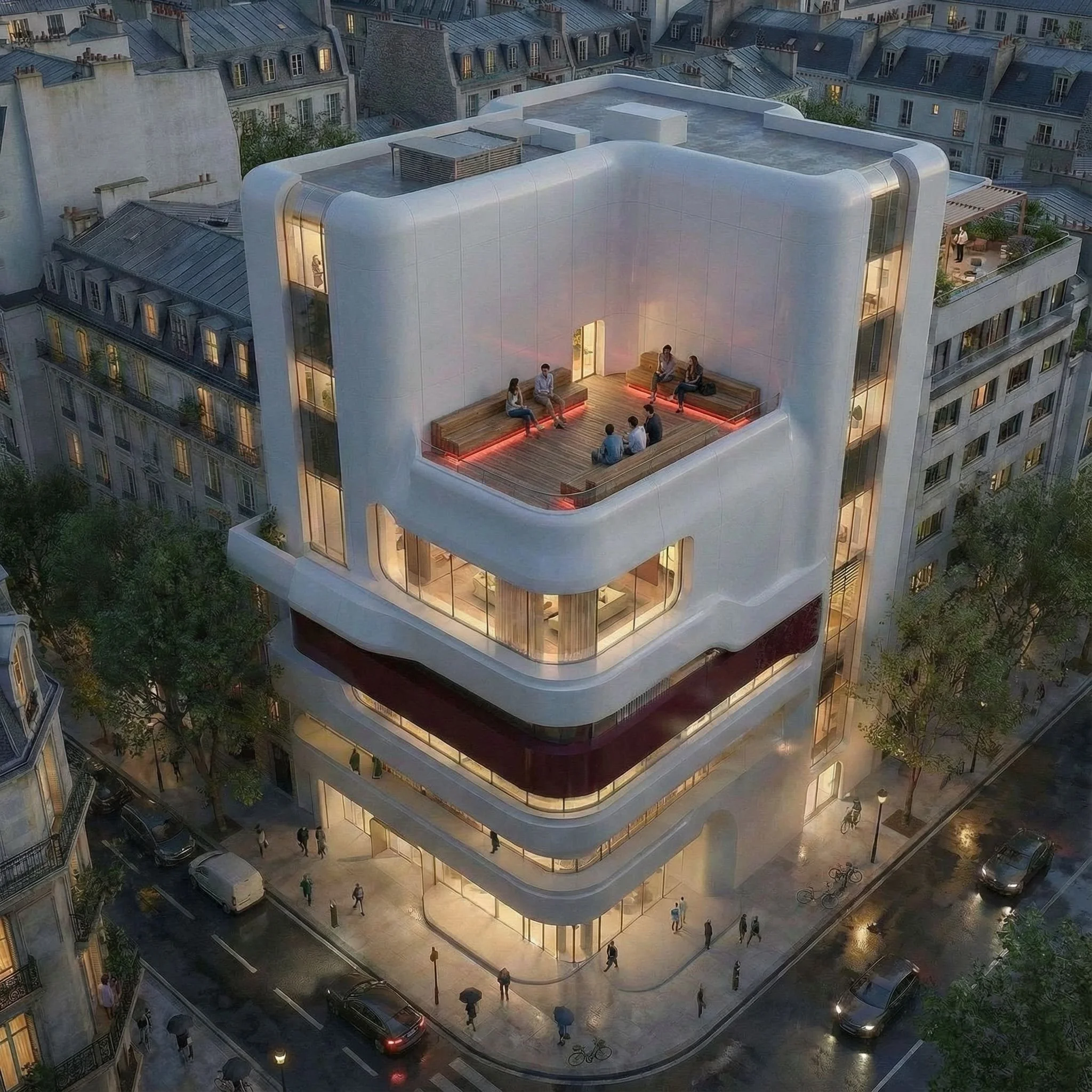
Sıla proposes a new living typology designed specifically for early adulthood, a phase defined by transition, uncertainty, and the search for direction. Rather than offering neutral housing or highly optimized environments, the project functions as a daily guide embedded in architecture itself. Through clear spatial organization, predictable rhythms, and a balance between community and solitude, it reduces cognitive load and supports the gradual emergence of clarity. Sıla does not instruct or prescribe behaviour; instead, it creates conditions where direction, belonging, and autonomy can develop naturally over time.
sıla
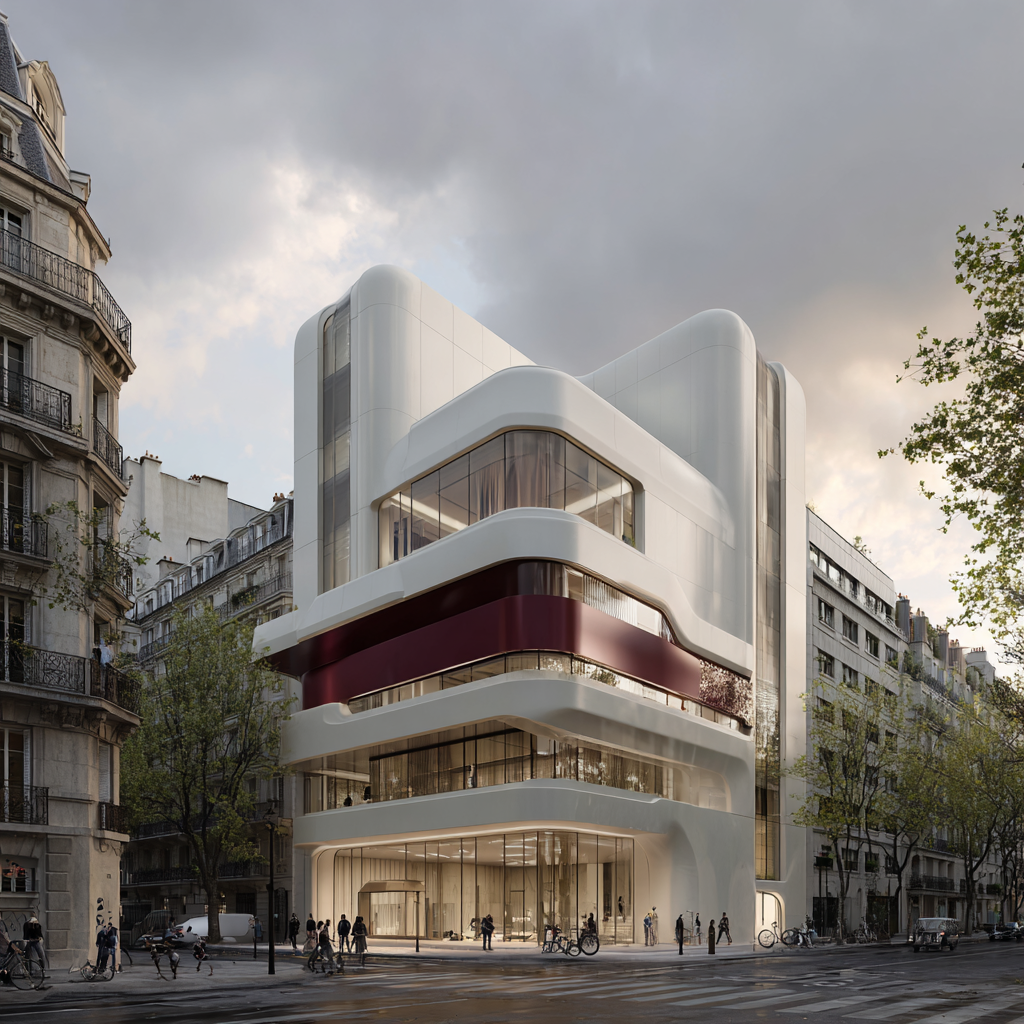
A living environment designed to guide rather than instruct, offering clarity through spatial order and rhythm. The architecture frames early adulthood as a supported transition rather than an isolated phase.
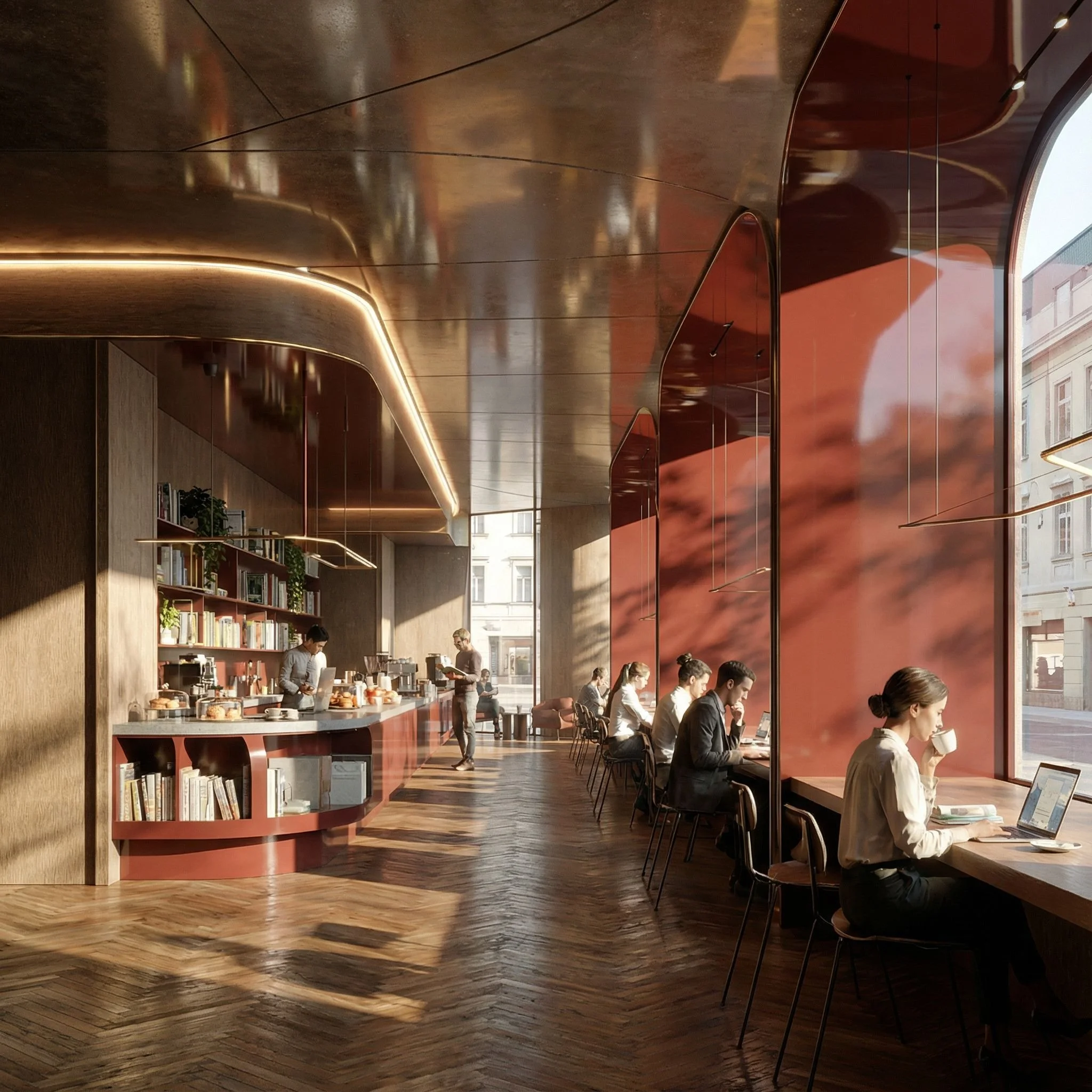
Spaces allow focus and social awareness to coexist within the same environment. Users can engage at their own pace without disruption.
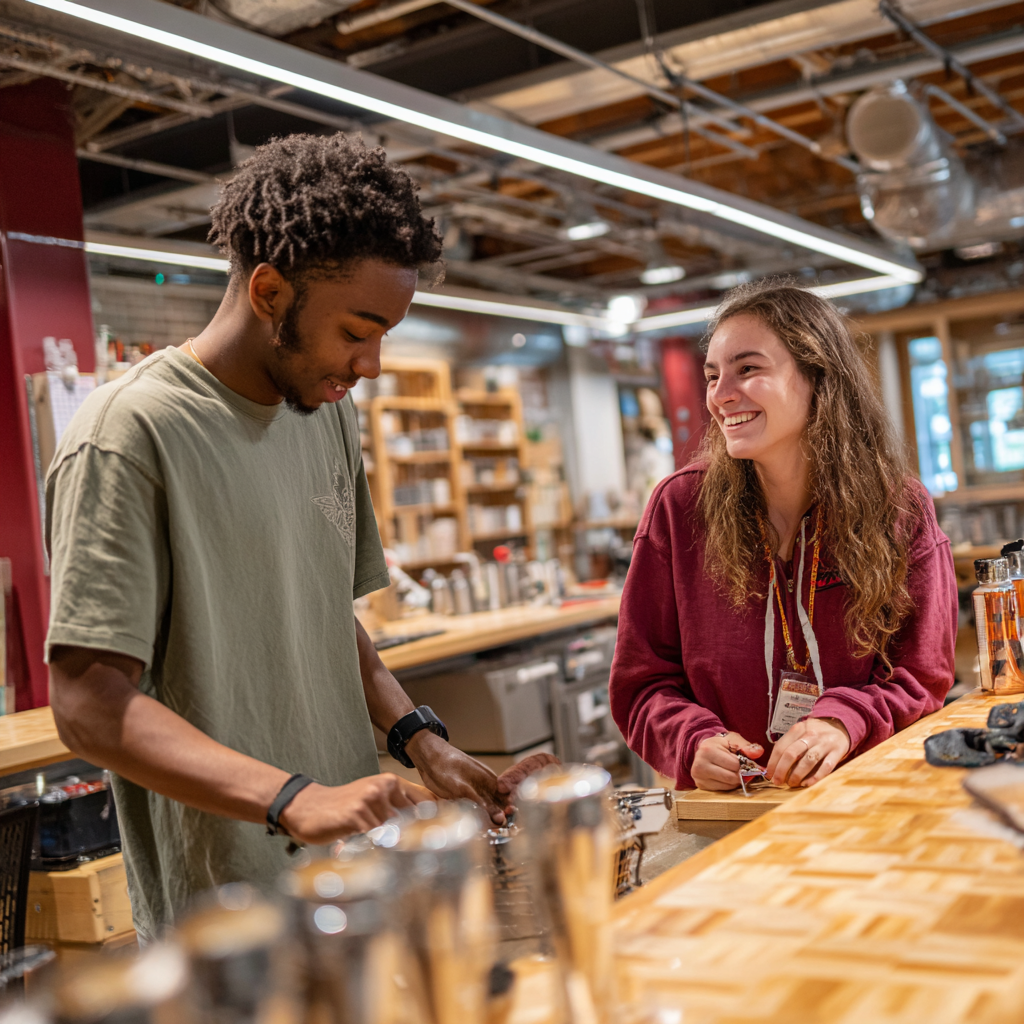
Shared activities create natural moments of connection. Interaction emerges through doing, not through obligation.

Individual engagement unfolds in a calm and immersive setting. The space allows focus without isolation.
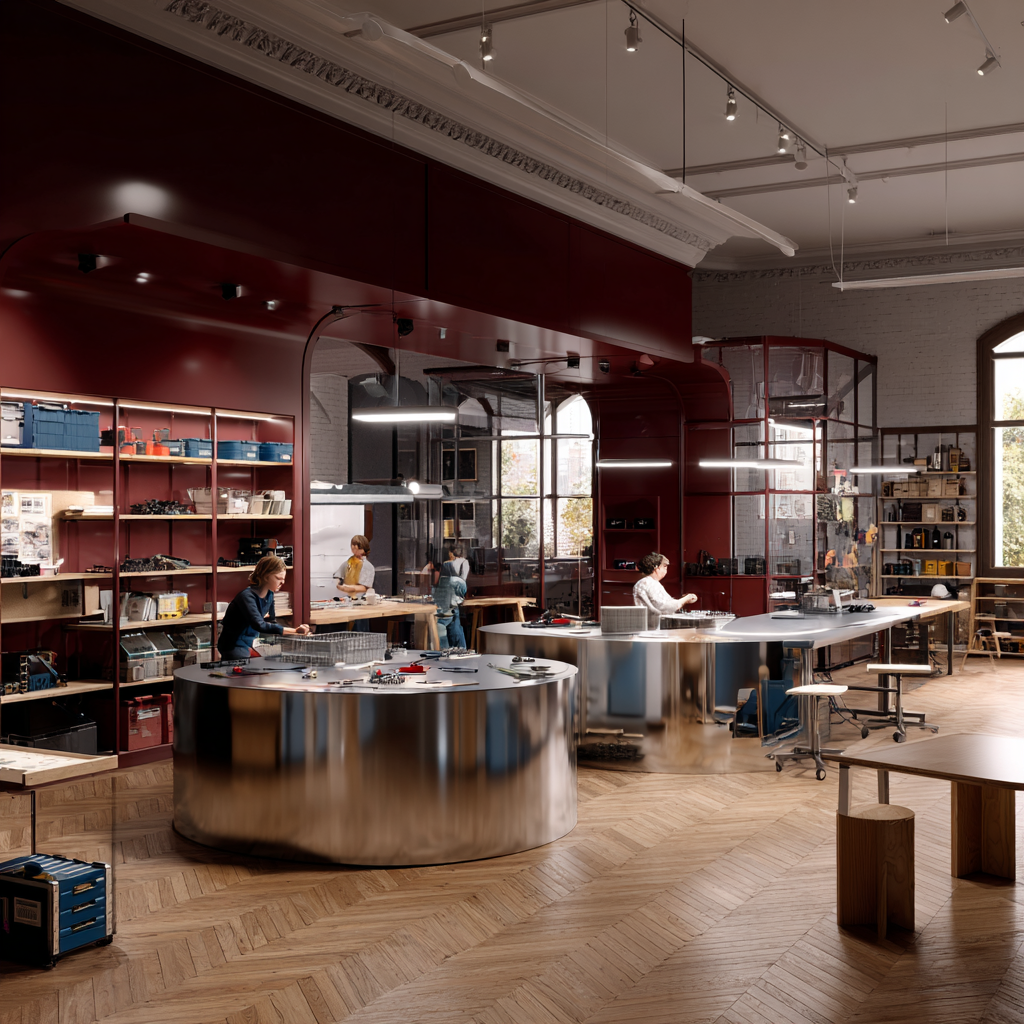
Collective spaces support learning, making, and experimentation. They enable participation without pressure.
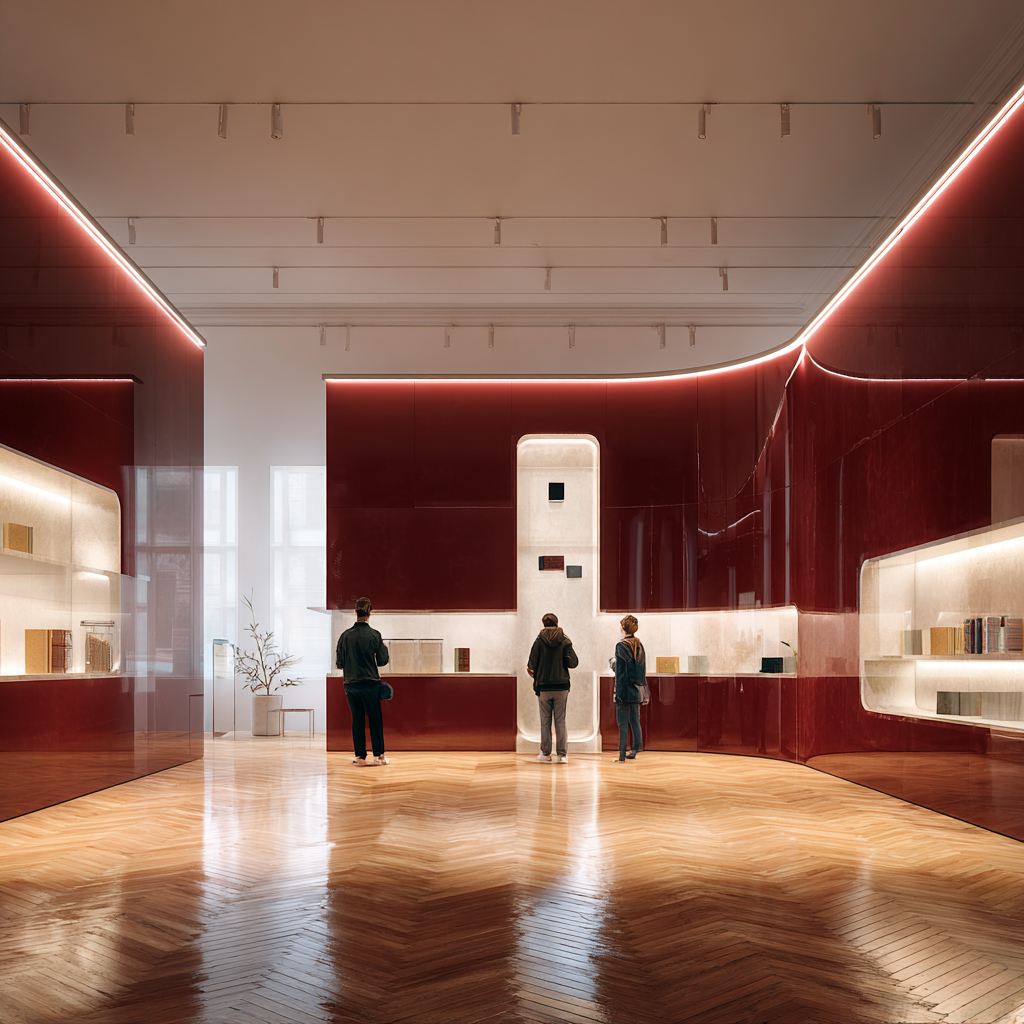
Clear spatial language creates intuitive understanding. The environment communicates without instruction.
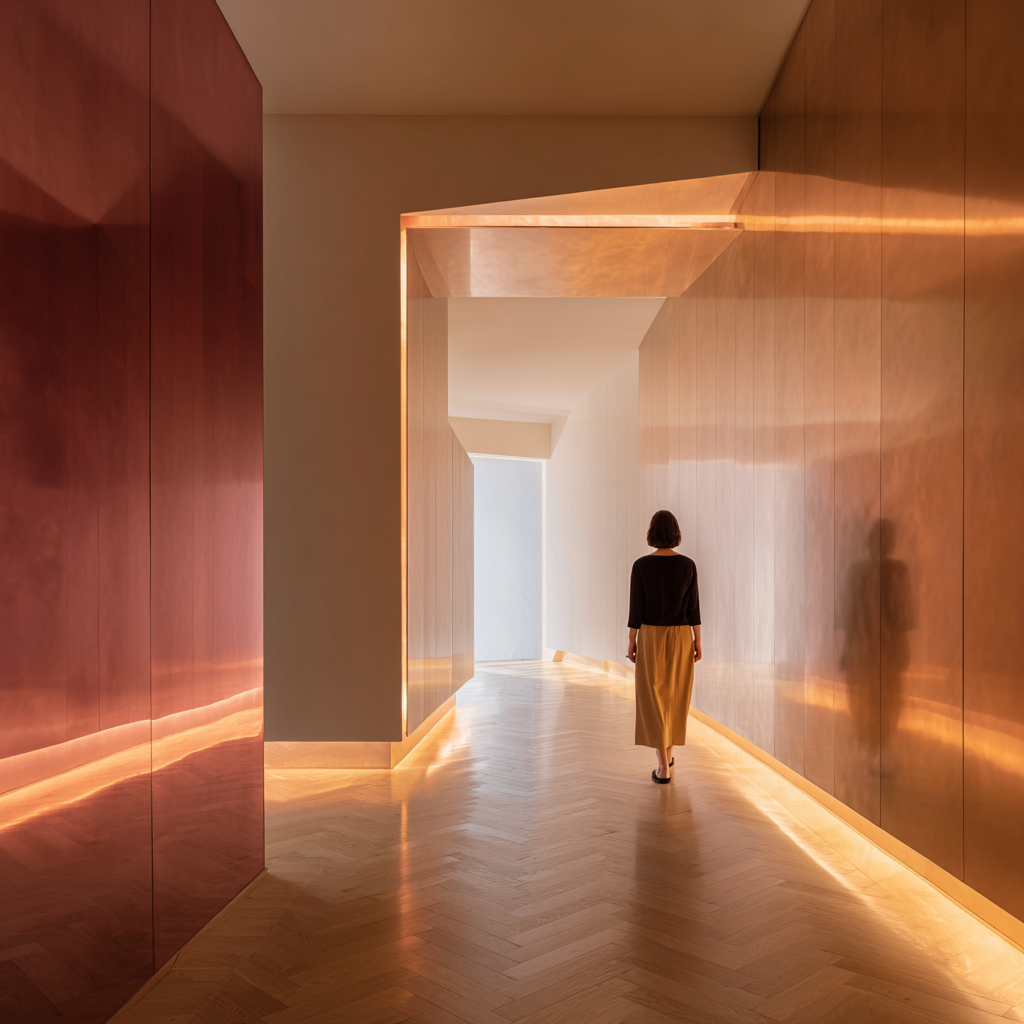
Defined spatial moments anchor the experience and provide orientation within the building. They act as clear reference points in the overall system.
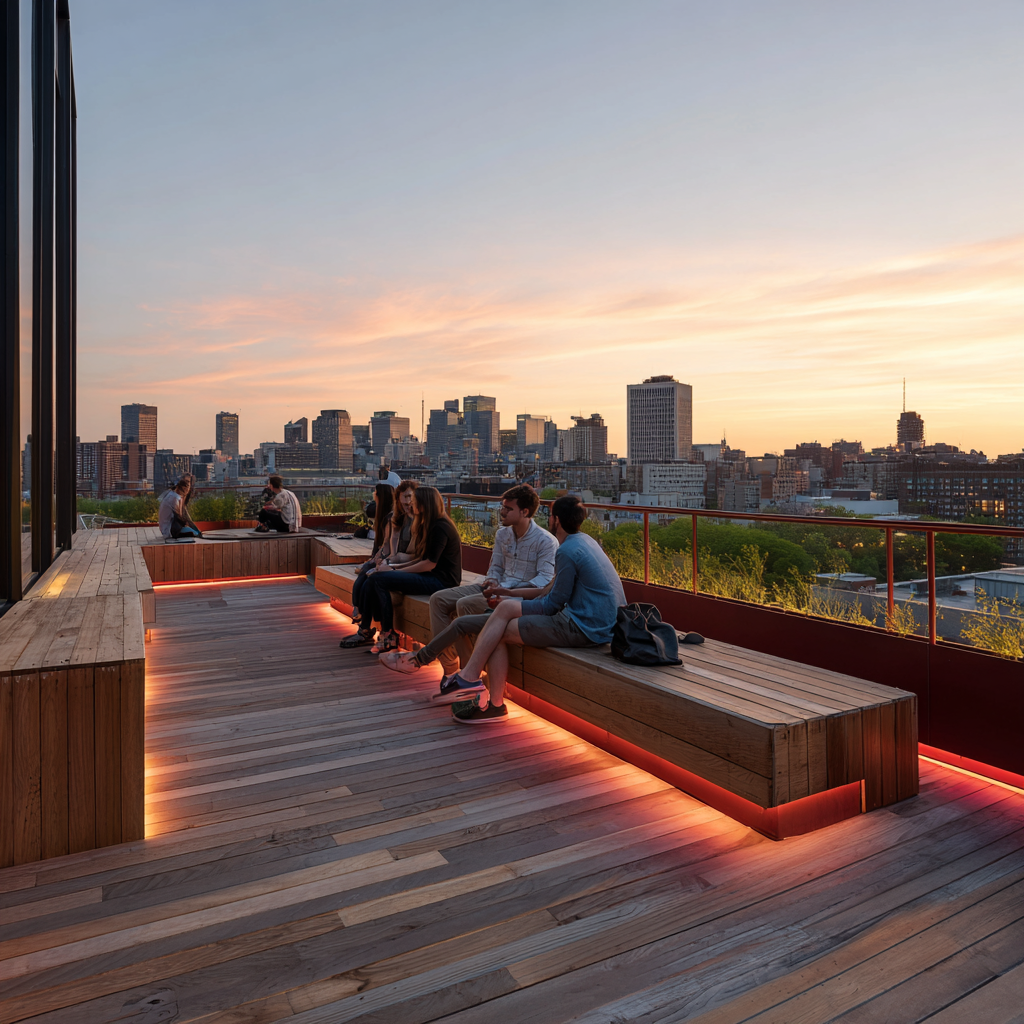
The city becomes a distant backdrop for reflection and connection. Outdoor spaces extend the living experience beyond the building