Beyond Perfect Renders
With AI, perfect renders are no longer the challenge.
Meaningful ones are.
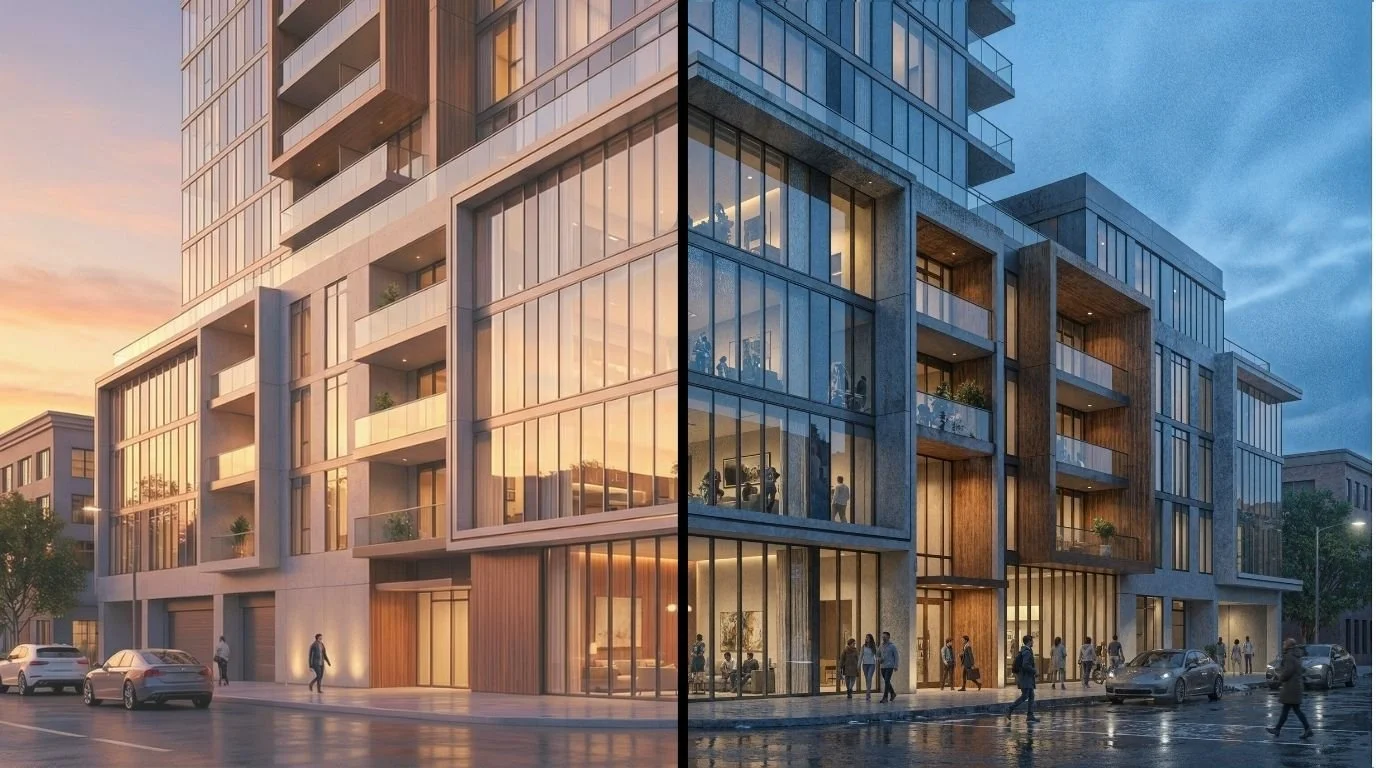
We are entering an era where flawless lighting, materials and compositions can be generated in seconds. Everything looks... right.
AI is an incredible tool. It expands our ability to imagine, test and communicate ideas at an unprecedented speed.
And yes, it can create stunning visuals.
But here is the question.
When everything looks perfect, does it still feel real?
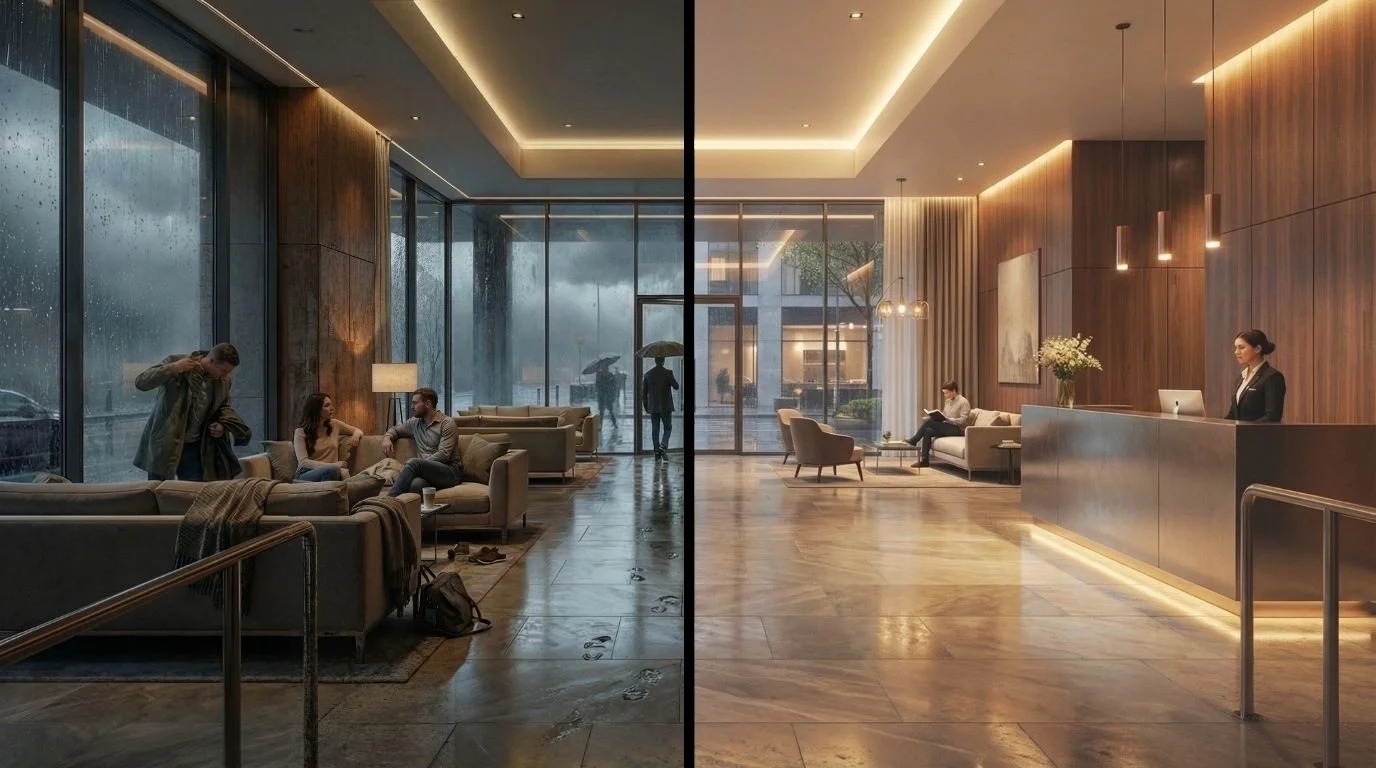
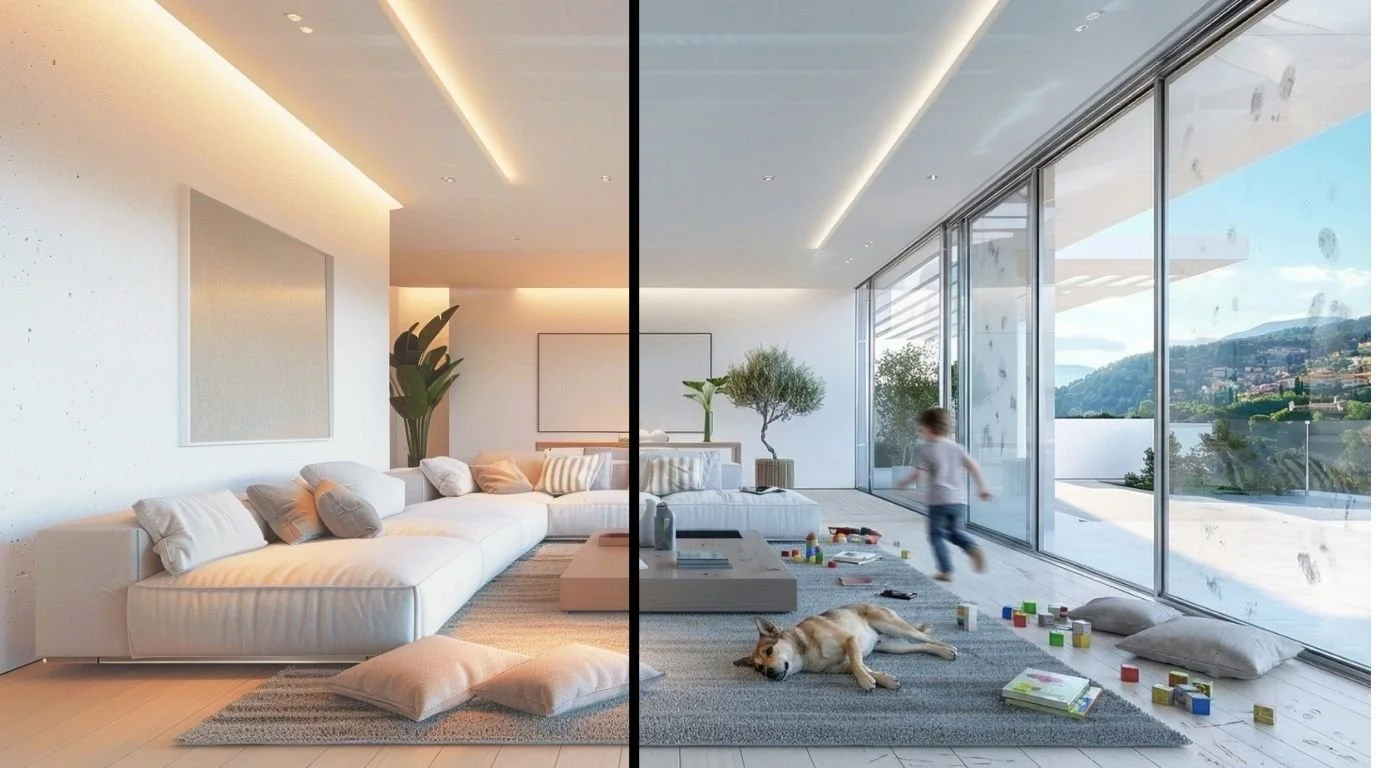
Real spaces are never perfect.
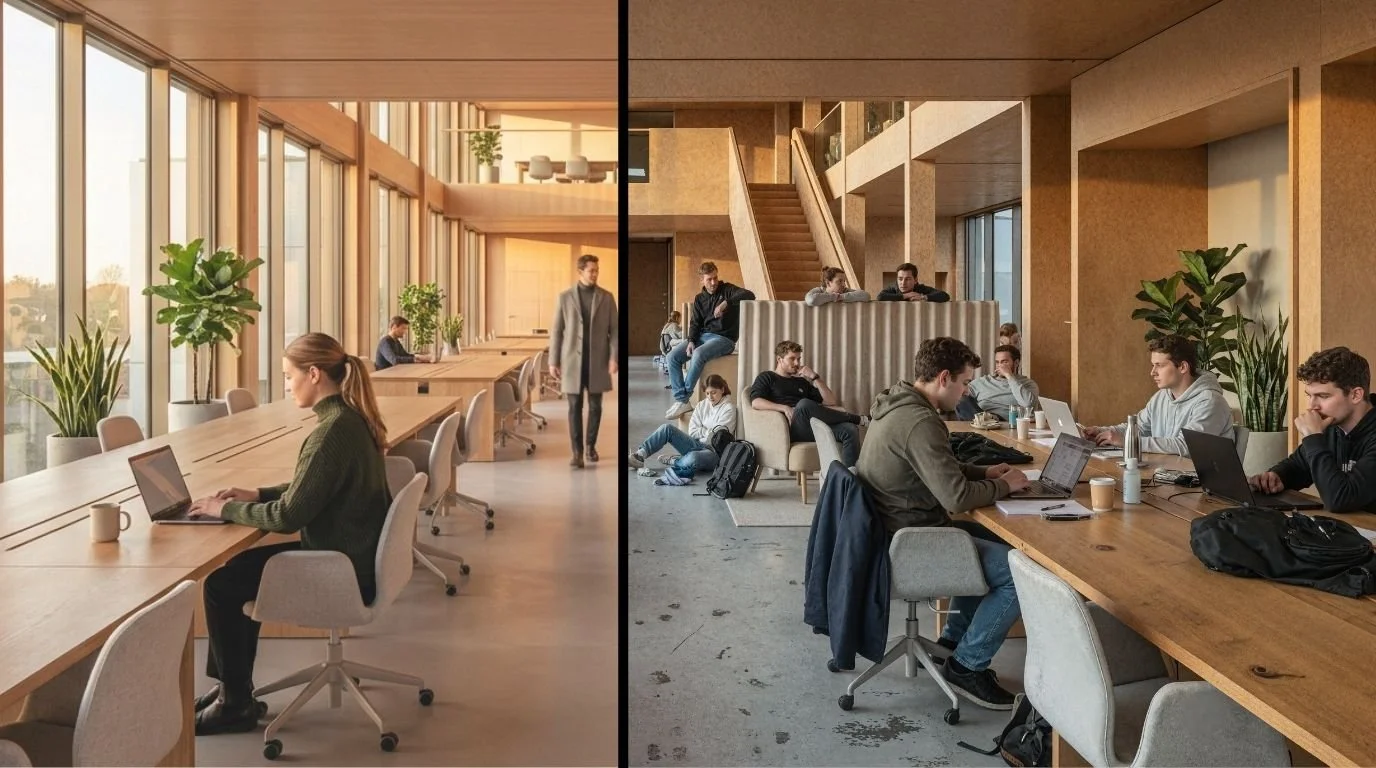
Light shifts. Materials age. People leave traces.
Atmosphere is built through imperfection.
If we only optimize for visual perfection, we risk designing images instead of experiences. Maybe the future is not about perfect renders, but about meaningful ones.
Not just how a space looks, but how it feels, evolves and is lived.
So the real question becomes:
How do we use AI without losing the human layer?
Not by making images more perfect, but by making them more alive.
By simulating use, not just form.
By showing routines, not just moments.
By designing scenarios, not just spaces.
By allowing friction, movement and unpredictability to be part of what we visualize.
And most importantly, by using AI not to finalize ideas but to explore how people might actually live in them.
Because architecture does not happen in the render.
It happens in real life.